Why Personalization Is A Differentiator In Beauty Products: The Efficacy, Data & Emotional Impact Behind It
.avif)
Human skin hosts over a thousand species of microorganisms, and your hair’s behavior can change dramatically with shifts in humidity, stress, or even the minerals in your shower water.
With so many variables shaping how products perform, it’s clear why personalization is a differentiator in beauty products today. Custom formulas respond to these real biological differences, delivering results that mass-market solutions simply can’t match.
Beauty Product Personalization: The Core Factors Driving Market Dominance
Mass-market beauty products operate on a flawed assumption: that consumers can be grouped into simple categories like "oily skin" or "dry hair." The reality is far more complex.
Personalization has emerged as the ultimate differentiator because it acknowledges and addresses the biological uniqueness of every individual, transforming how beauty products are formulated, sold, and experienced.
Here's precisely why personalized beauty stands apart from everything else on the market.
Every Individual Has Unique Biology That Demands Custom Solutions
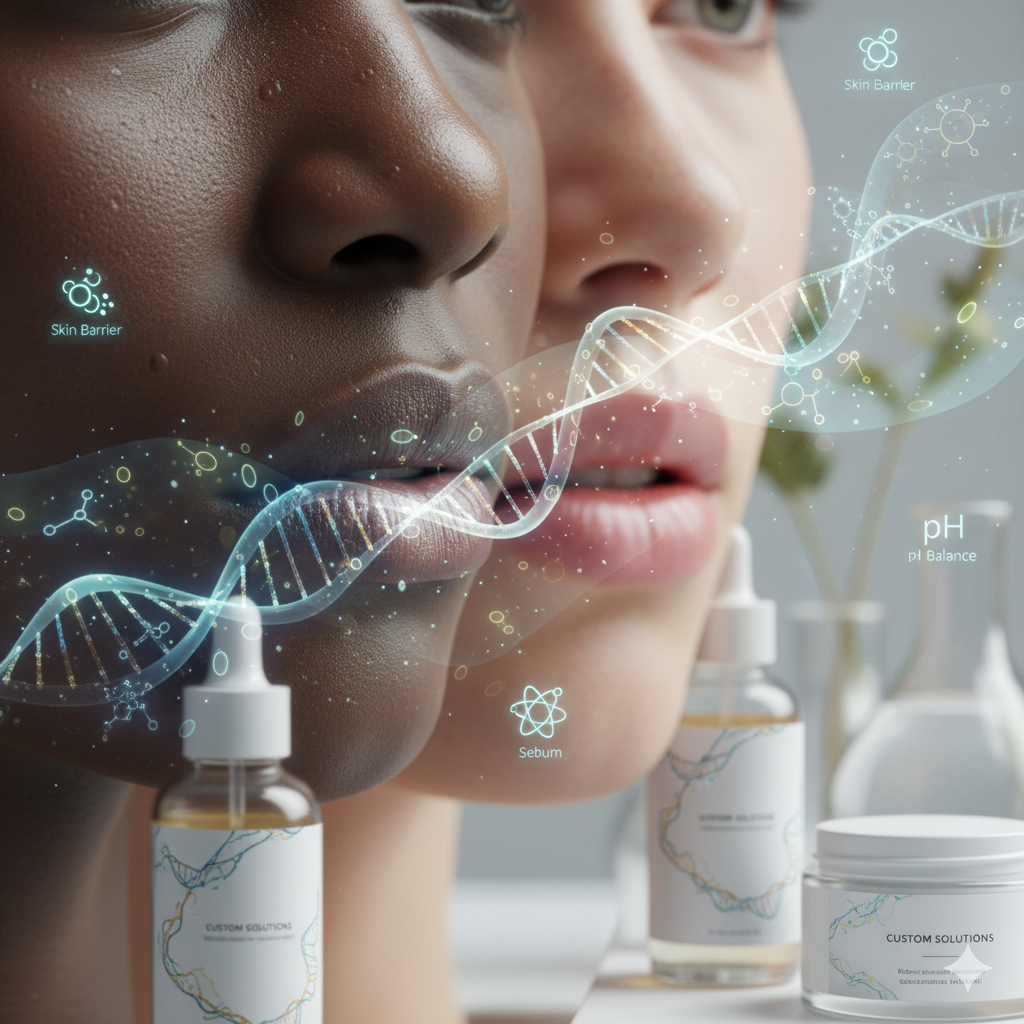
Human biology isn't one-size-fits-all, and neither should beauty products be. Your skin's barrier health, sebum production, pH balance, and sensitivity levels are as unique as your fingerprint.
- Skin type varies by genetics, hormone levels, and environmental exposure
- Hair porosity, scalp pH, and follicle density differ dramatically between individuals
- Allergies, sensitivities, and ingredient tolerances are highly personal
- Climate, pollution levels, and water quality impact how products perform
Consider two people both labeled as having "combination skin." One might have an oily T-zone with dehydrated cheeks due to a compromised moisture barrier, while the other has naturally higher sebum production with normal hydration.
A mass-market product formulated for "combination skin" will likely fail both individuals because it doesn't account for the underlying biological differences.
Personalization Eliminates the Costly Trial-and-Error Cycle
The average consumer tries 5-7 skincare products before finding one that works. That's hundreds of dollars wasted and months of potential skin damage or hair problems.
- Mass products force consumers into expensive guessing games
- Poor matches lead to adverse reactions, breakouts, or zero results
- Product graveyard under bathroom sinks represents failed experiments
- Time wasted researching, purchasing, testing, and returning products
Pro Tip: Personalized beauty brands use diagnostic assessments upfront to dramatically increase the odds of first-time success.
While not perfect, starting with data-driven formulation recommendations reduces the trial period from months to weeks, saving customers both money and frustration.
Tailored Formulations Deliver Superior Efficacy and Visible Results
Generic formulations compromise on effectiveness to avoid alienating any segment of their target market. Personalized products optimize for your specific concerns without those constraints.
- Active ingredient concentrations calibrated to your tolerance levels
- Concern combinations addressed simultaneously (aging + acne + sensitivity)
- Synergistic ingredient pairings selected for your specific goals
- Formulation pH and texture matched to your skin or hair characteristics
A mass-market vitamin C serum might use a 10% concentration to balance efficacy with tolerability across all users. A personalized approach might prescribe 5% for sensitive skin that's prone to irritation or 20% for resilient skin seeking maximum brightening effects.
The result? Better outcomes with fewer side effects, because the formula is designed for you, not the average consumer.
Personalized Products Create Deeper Emotional Connection and Loyalty
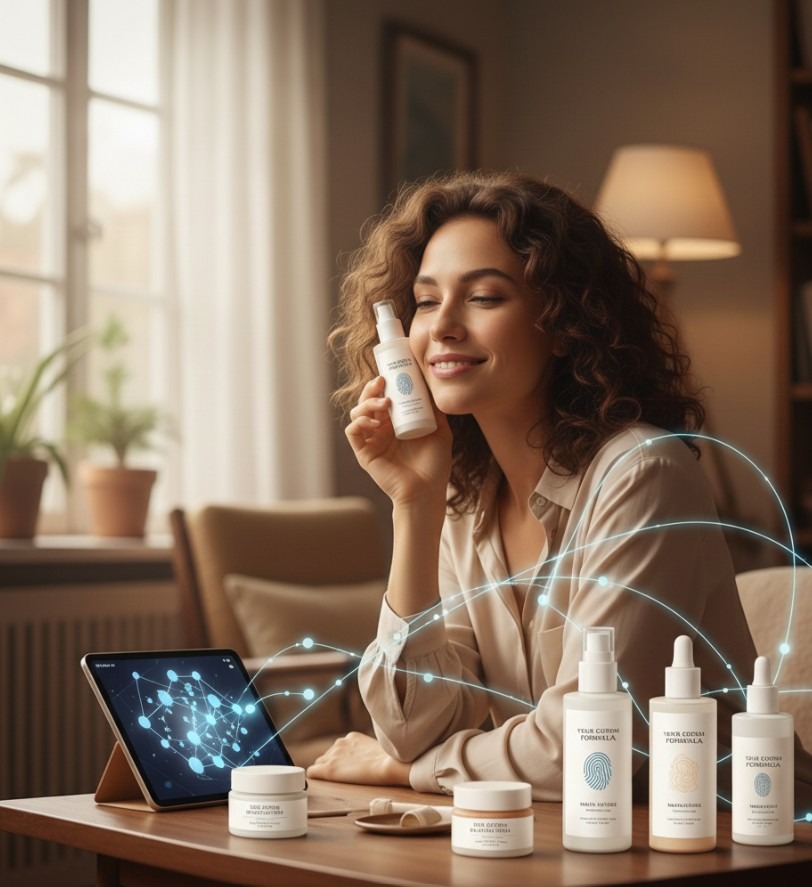
When customers believe a product was made specifically for them, the relationship transcends transactional. They feel seen, understood, and valued by the brand.
- Personal attention in a mass-market world creates powerful brand affinity
- Customers become advocates, sharing their unique formulations with others
- Emotional investment makes switching to competitors psychologically difficult
- Loyalty rates increase 3-5x compared to traditional beauty brands
This isn't just marketing psychology; it's a fundamental shift in the customer-brand relationship. You're not just another shopper buying off a shelf; you're a partner in co-creating a solution to your specific challenges.
"Made for Me" Justifies Premium Pricing and Perceived Exclusivity
Personalized beauty products command higher prices, yet customers rarely object. The exclusivity factor overrides typical price sensitivity.
- Premium pricing (40-60% above mass-market) becomes acceptable
- No direct price comparisons possible (your formula is unique)
- Higher perceived value than luxury products with generic formulations
- Investment mindset replaces commodity purchasing behavior
When Function of Beauty charges $32 for custom shampoo versus Pantene's $8 drugstore bottle, customers don't see it as a 4x price increase. They see it as paying for a solution designed around their hair's specific porosity, scalp condition, and styling goals—an entirely different value proposition.
Personalization Cuts Through Market Saturation and Noise
With thousands of near-identical beauty products competing for attention, customization provides instant differentiation that marketing budgets alone cannot achieve.
- Commodity products become forgettable; personalized products become irreplaceable
- Unique value proposition that can't be copied by competitors
- Built-in word-of-mouth from customers excited about their custom formulations
- Defensible market position based on data and customer relationships
In a beauty aisle with 50 moisturizers making similar claims, a personalized option immediately stands out, not through packaging or advertising, but through a fundamentally different approach to solving customer problems.
Data and AI Enable Continuous Evolution, Impossible for Static Products
Personalized beauty leverages technology that adapts and improves over time, unlike mass products that remain unchanged from first purchase to last.
- AI-powered skin analysis detects changes that traditional products can't respond to
- Dynamic formulation adjustments based on seasonal changes and life events
- Recommendation engines learn from your feedback to refine future products
- Predictive algorithms anticipate needs before customers recognize them
Your skin changes with age, stress, diet, climate, and hormones. Personalized beauty systems adapt alongside these changes, adjusting formulations quarterly or even monthly, while that drugstore serum remains exactly the same whether you're 25 or 45, stressed or relaxed, in Miami or Seattle.
Complete Personalized Routines Outperform Individual Product Solutions
A fully customized multi-step routine, where every product is formulated to work together for your specific needs, delivers exponentially better results than mixing random mass-market items.
- Synergistic formulations designed to work together, not against each other
- Consistent active ingredient strategy across cleanser, treatment, and moisturizer
- pH progression optimized for maximum absorption and efficacy
- Simplified decision-making with expert-curated product pairings
Mixing a drugstore cleanser, prestige serum, and mass-market moisturizer might work, but it's rarely optimized. A personalized routine ensures every product in your regimen supports the others, creating a compounding effect that isolated products can never achieve.
Personalization doesn't just improve beauty products; it reimagines the entire relationship between consumer and brand.
Where Personalization Shines Most: Skincare, Haircare, and Beauty Supplements
Personalization doesn’t just elevate one part of the beauty routine; it enhances the entire spectrum of beauty care, from skin to hair to inner wellness. By tailoring formulas, dosages, and textures to individual needs, brands deliver results that mass-market products can’t match.
Below, we explore where personalization creates the biggest transformation across categories and why these areas are driving the industry’s next wave of innovation.
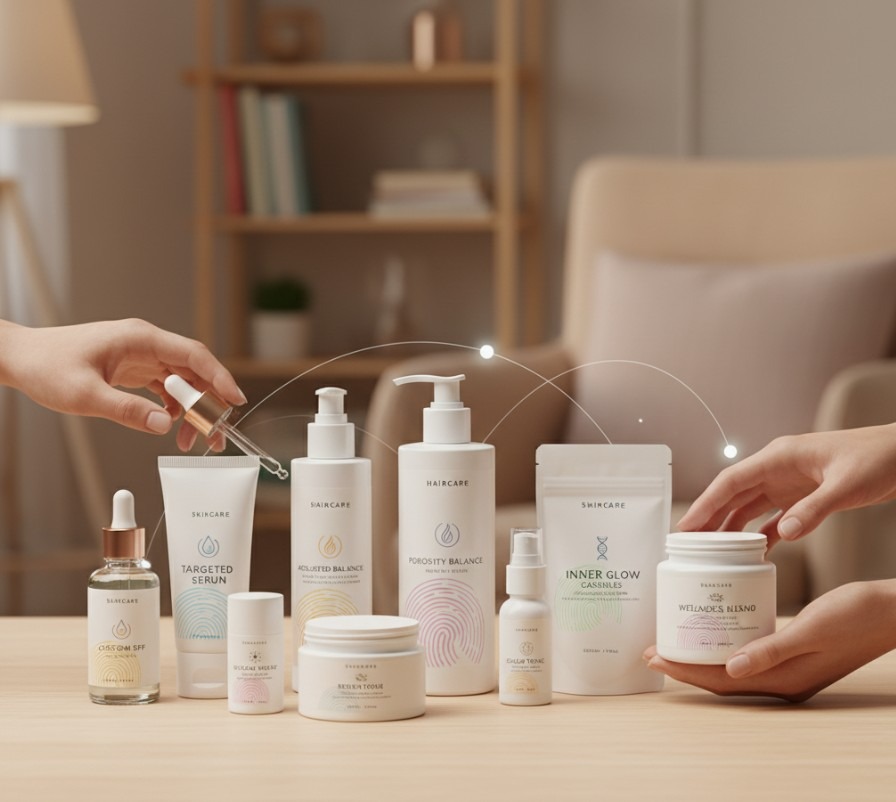
Personalized Skincare: Targeted Serums, Moisturizers & Daily SPF
Skincare is where personalization has had the earliest and strongest impact, and this is something you need to have in mind if you’re creating your own skincare brand.
Every person’s skin behaves differently, which is why customized formulations consistently outperform generic solutions.
What makes personalized skincare powerful:
- Serums formulated for exact concerns like pigmentation, redness, or fine lines
- Moisturizers adjusted for climate, oil levels, or barrier health
- SPF tailored to sensitivity, skin tone, or texture preferences
With personalized skincare, ingredients aren’t chosen randomly; they’re mapped to your unique skin biology, resulting in better texture, faster results, and fewer adverse reactions.
Example: Someone with sensitive, acne-prone skin may receive a niacinamide-rich formula instead of a standard high-strength retinol that could cause irritation.
Personalized Haircare: Shampoos, Conditioners & Scalp Treatments That Actually Work
Haircare personalization goes far deeper than “oily,” “dry,” or “curly.” It uses data like hair porosity, scalp type, breakage level, environmental exposure, and styling habits to create formulas that solve highly specific issues.
Key use cases include:
- Shampoo and conditioner calibrated for porosity, not just curl type
- Hair masks adjusted for breakage, protein sensitivity, or hydration needs
- Scalp tonics designed for flaking, oil imbalance, or inflammation
Because hair varies dramatically person to person, personalization eliminates the guesswork and cuts down the need to test multiple products.
Pro Tip: Personalized haircare reduces “product overload syndrome,” helping consumers rely on fewer, but more effective, products.
Personalized Beauty Supplements: Inside-Out Support for Skin, Hair & Hormonal Balance
Inner-beauty supplements are emerging as one of the fastest-growing categories in personalization. Instead of generic multivitamins, custom blends address internal factors that influence appearance.
What these supplements can target:
- Skin issues (dullness, acne, dryness)
- Hair goals (growth, thickness, reduced shedding)
- Nail strength
- Hormonal balance affecting skin or stress levels
- Sleep and recovery are key for skin repair
Personalized formulas use quiz data, lifestyle insights, or biomarker information to create a tailored nutrient profile. The result is holistic beauty care that treats root causes, not just visible symptoms.
Future Frontiers: Fragrance & Makeup Personalization
The next wave of personalization is expanding into fragrance and color cosmetics—categories traditionally dominated by universal, mass-appeal products.
Emerging breakthroughs include:
- Fragrance blended to match personal scent preferences or body chemistry
- Foundation and concealer shades created using undertone-matching tech
- Lip and cheek tints formulated based on undertone, depth, and texture preference
- Blush or bronzer colors selected using color-science algorithms
These innovations not only create a more precise match but also eliminate shade mismatches, one of the biggest frustrations in makeup shopping.
Personalization is no longer limited to skincare and haircare; it now spans topical products, ingestible beauty supplements, color cosmetics, and fragrance.
Stand Out In A Saturated Market With Tailored Product Design
Personalization isn’t just a trend; it’s a long-term advantage that makes your beauty brand unforgettable.
By designing formulas that reflect real biology, real concerns, and real routines, you deliver results that generic products can’t match. This creates deeper loyalty, higher retention, and a brand experience competitors can’t replicate.
If you’re ready to bring personalized beauty to life with premium, ready-to-brand products, explore Supliful’s skincare catalog and unlock formulations your customers will genuinely connect with.
.avif)
.avif)
.avif)
.avif)