How to Private Label Supplements: Step-by-Step Guide

What Private Labeling Actually Means
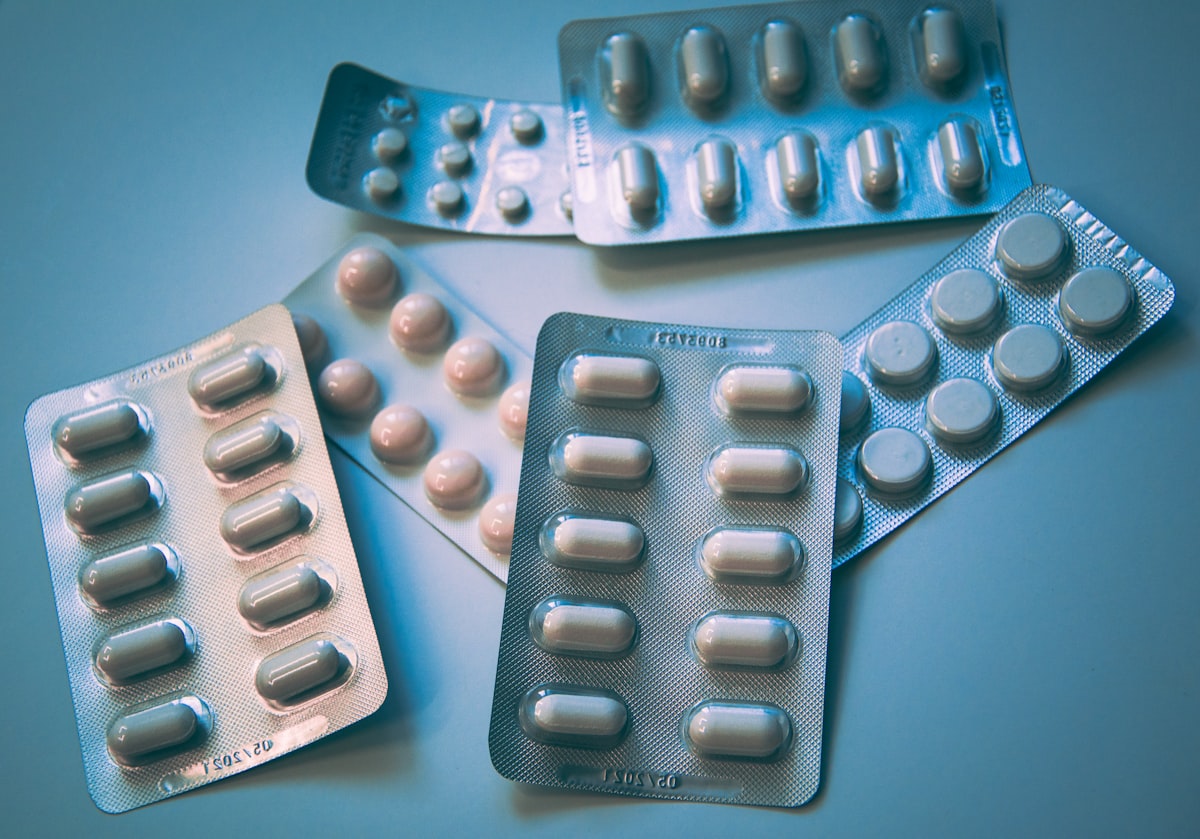
Private labeling means selling a manufacturer's existing product under your own brand name and label. You are not inventing a formula. You are attaching your brand identity to a tested product and building a customer relationship around it.
This is different from custom formulation, which means commissioning a contract manufacturer to develop a proprietary blend from scratch. Custom formulation costs 10 to 20 times more upfront, requires 3 to 6 months of development time, and demands minimum order quantities that often run to 10,000 units or more. Private labeling gives you a tested product on a faster timeline with dramatically less capital at risk.
If you are a first-time brand founder, private labeling is the entry point. White label supplements operate on the same model. The difference is narrow, and most of the industry uses the terms interchangeably.
The 5 Steps to Private Label Supplements
Step 1. Choose Your Niche and Product
Start with the customer's problem, not the SKU that is trending.
Protein powder is a large market. So is every category with high search volume and five established brands already spending $40,000 a month on paid acquisition. The real opportunity for a new brand is narrower: the runner who wants a plant-based recovery formula, the parent looking for a children's magnesium gummy, the professional who wants a clean-label focus supplement without stimulant side effects.
Pick a customer first. Then pick a product. Then go one level deeper: what form factor does that customer actually prefer? A capsule for someone who hates powders. A gummy for someone who skips pills. A sachet for someone who travels.
The product you choose first is a hypothesis. You will know within 90 days whether it was correct.
Step 2. Find a Manufacturer or Fulfillment Partner
Two paths exist.
The traditional path: find a cGMP-certified contract manufacturer, negotiate an MOQ of 500 to 2,000 units per SKU, arrange label printing and compliance review, and handle fulfillment logistics yourself. This is a real business structure. It also requires $20,000 to $50,000 to reach first sale, plus the ongoing operational overhead of a physical supply chain.
The platform path: use a service that has already built the manufacturer relationships, compliance framework, and fulfillment infrastructure. You connect your store, choose products from an existing catalog, upload your label design, and ship orders under your brand name without ever touching inventory. Supliful's product catalog is built on this model. Zero minimum order quantity. No upfront inventory purchase. Orders route and fulfill automatically when a customer buys.
The right path depends on your capital and your goals. If you want to validate demand before committing $30,000 to a manufacturer contract, the platform path is where you start.
Step 3. Design Your Label and Brand

A supplement label is a legal document as much as a design asset.
The FDA requires a specific format for the Supplement Facts panel: serving size, servings per container, nutrients listed in a fixed order with declared amounts per serving, and a disclaimer that reads: "This statement has not been evaluated by the Food and Drug Administration. This product is not intended to diagnose, treat, cure, or prevent any disease." Review the FDA's labeling requirements for dietary supplements before you finalize any label design.
Beyond the compliance layer, the visual design needs to communicate the product clearly within three seconds on a mobile screen. Budget $300 to $800 for a freelance designer on your first label. Do not let label design become the reason your launch takes six months.
Step 4. Set Up Your Sales Channel
Shopify is the fastest path to a live storefront. A focused single-product Shopify store can be live in two to three days and costs $39 per month. It integrates directly with platforms like Supliful for automatic order routing.
Amazon is viable but restrictive for supplement brands. Amazon requires specific documentation: third-party testing results, Certificates of Analysis, and FDA facility registration in some categories. A policy violation can remove your listing without warning. Start with your own store first. Build a customer relationship and an email list. Add Amazon when you have demand proof and the full documentation stack in order.
TikTok Shop is a real channel now. If your product is visual and your audience skews 18 to 34, it is worth testing early. The organic content advantage there is not yet priced into most supplement marketing budgets.
Step 5. Launch and Iterate
Your first order is not a finished launch. It is a market test.
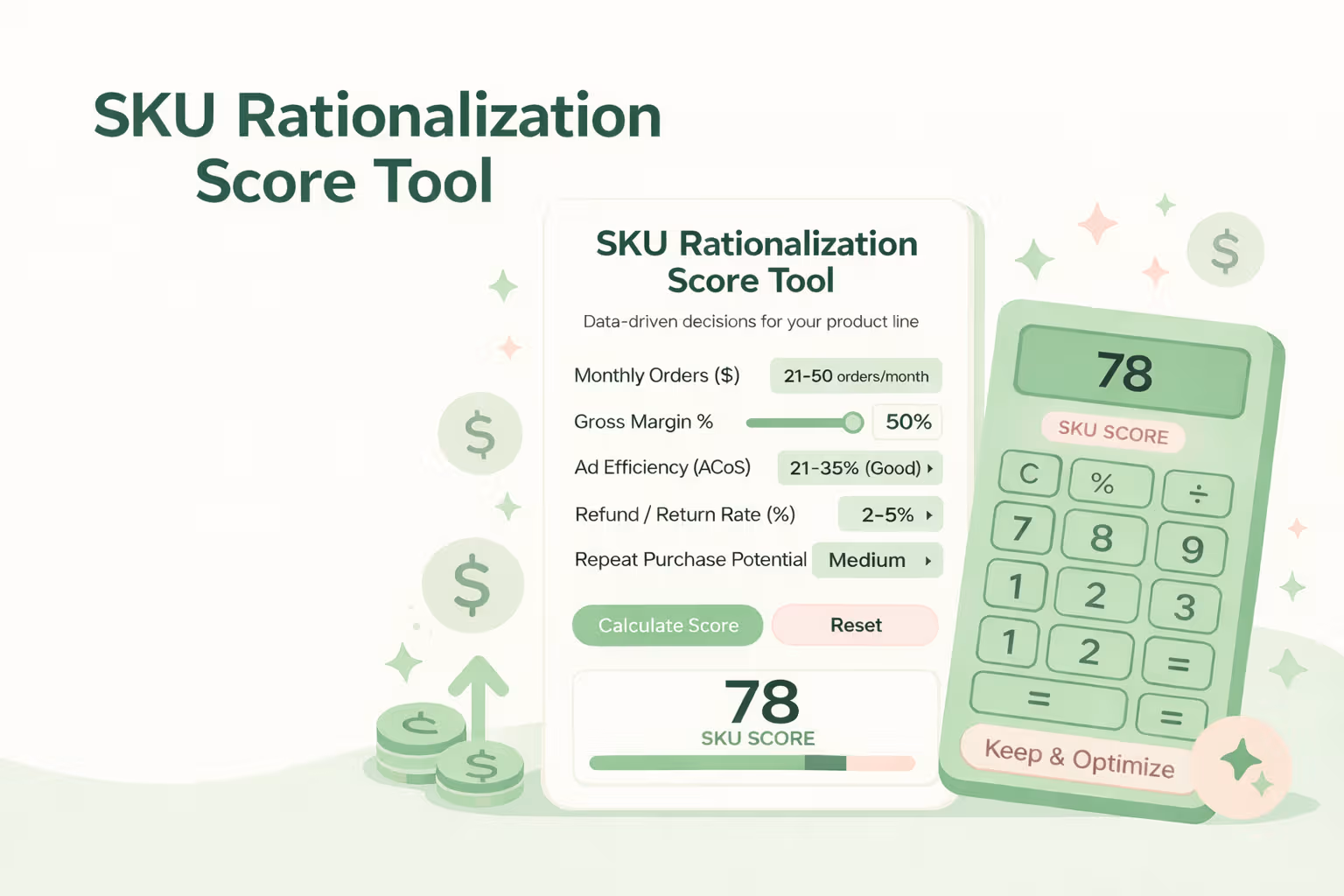
The goal in the first 90 days is one question answered: will someone who does not already know you buy this, and will they come back? Run a small paid acquisition test. $500 to $1,000 on Meta Ads targeting a specific customer profile will tell you more than six months of brand-building in the dark. If cost per acquisition is under your gross margin, you have something to build on. If it is not, adjust the offer, the creative, or the audience.
Do not redesign the packaging, add new SKUs, or rework the website before you have that first real customer signal. Every hour spent on brand architecture before market validation is a theory you are paying to entertain.
If you are building a supplement brand and want practical guides like this in your inbox, subscribe to the Supliful newsletter for brand-building tactics, product selection frameworks, and launch strategies.
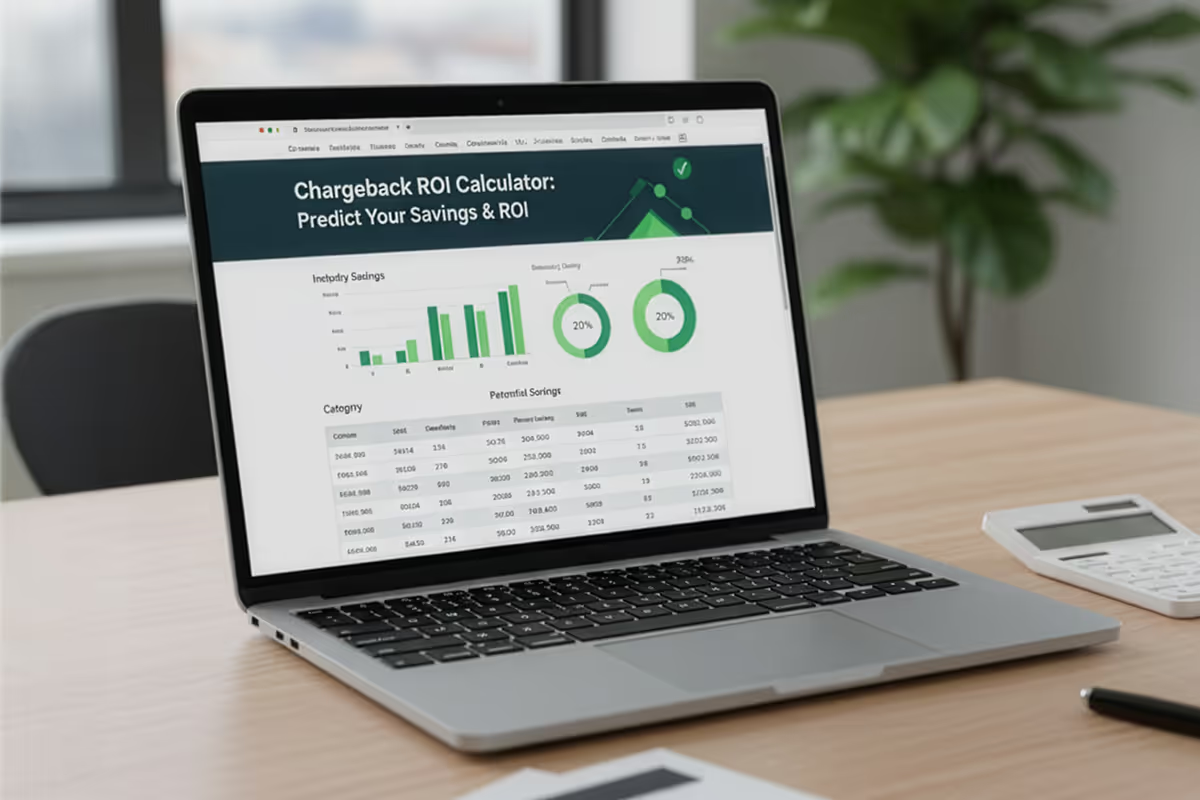
What Does It Cost to Private Label Supplements?
The honest breakdown for starting on a zero-MOQ platform model:
- Shopify store: $39/month
- Label design: $300 to $800 (one-time)
- First paid traffic test: $500 to $1,000
- Domain and basic tools: $50 to $100
- Total to first sale: $900 to $2,000
This is the number before you have touched inventory. No manufacturer deposit. No warehouse lease. No 500-unit minimum sitting in storage while you figure out if anyone actually wants the product.
The traditional path changes this math. A first production run with a contract manufacturer at 500 units minimum, plus label printing, compliance review, and third-party testing, typically runs $8,000 to $25,000 before a single sale. That is not the wrong approach for a brand that has validated demand and is scaling. It is the wrong first move when the product-market fit question has not been answered yet.
You do not need VC money to build something great. You need the right infrastructure and the discipline to test before you spend.
What to Look for in a Private Label Partner
cGMP certification is the baseline. Current Good Manufacturing Practices are the FDA's minimum production standard for dietary supplements. Any legitimate manufacturer operates under them. Ask for a current third-party audit report or Certificate of Compliance before signing anything.
NSF or Informed Sport certification matters if your target customer includes competitive athletes. These third-party programs test finished products for banned substances and carry real credibility in the performance market.
Minimum order quantities. Some manufacturers require 500 units per SKU. Others go as low as 100. Lower MOQ means more flexibility to test multiple products without overcommitting capital to a single hypothesis.
Turnaround time. Standard production lead times run 4 to 10 weeks. If a manufacturer quotes under 4 weeks on a custom run, ask why. If they quote more than 12, ask about capacity and backlog.
Custom label support. Find out whether they print labels in-house or whether you handle that separately. In-house label printing means fewer handoffs and fewer chances for a compliance error on a legally required element.
Private Label vs. White Label. Quick Clarification
Private label and white label are used as synonyms in the supplement industry often enough that the distinction gets blurry. The full breakdown is here. The short version: white label typically refers to a fully finished product with only a label swap; private label sometimes includes more customization options at the formula or packaging level. For a brand at the starting stage, the operational difference is minor.
Why More Brands Start with Dropship-First Private Labeling
Before platform infrastructure existed for consumer products, launching a supplement brand required a manufacturer contract with a 6-month production lead time, a warehouse, a fulfillment operation, and $50,000 in working capital before you had a single customer. The capital and operational barrier was the real barrier. Not the idea. Not the market. Not the brand.
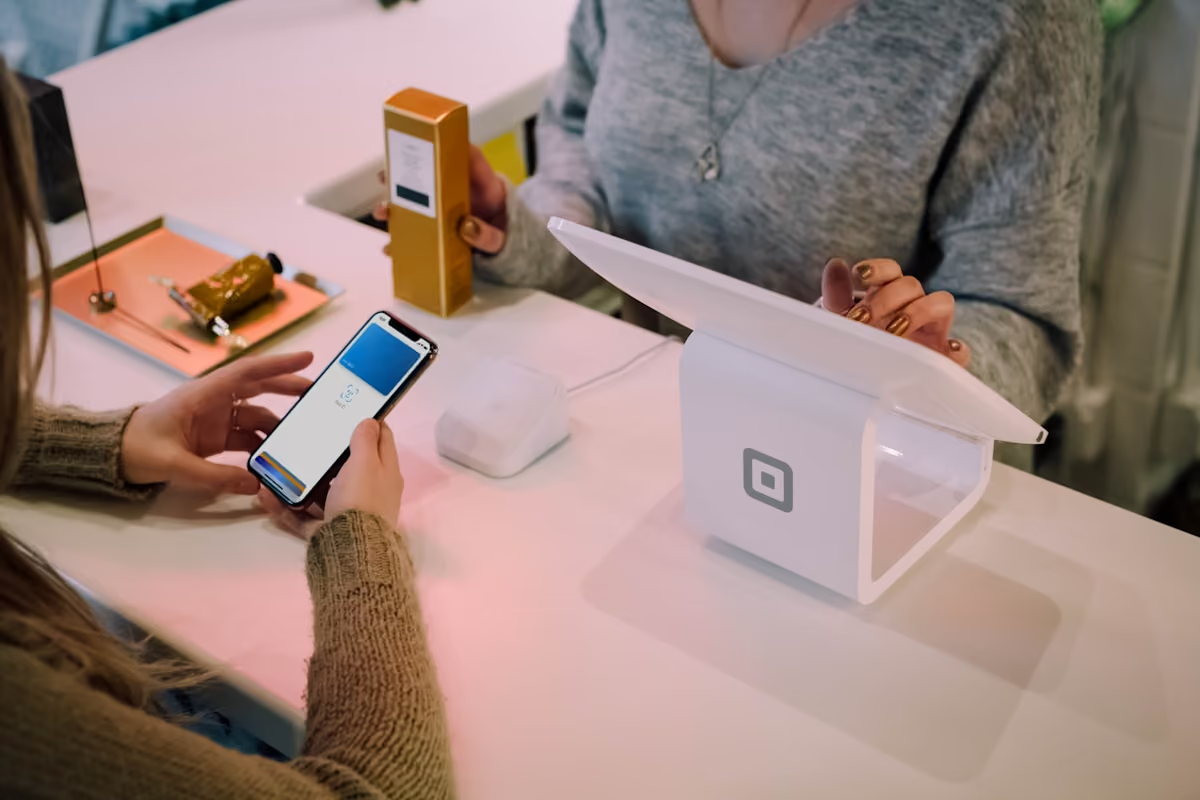
Here is the analogy: before Stripe, accepting payments online required weeks of engineering work and a merchant banking relationship. Stripe reduced that to a two-hour integration. The same structural shift happened in consumer product infrastructure. The hard parts — the manufacturer vetting, the compliance framework, the fulfillment network — became a service layer that a brand can operate on top of instead of build from scratch underneath.
That is what Supliful is built for. Infrastructure for physical consumer products, accessible from day one without minimum orders or warehouse contracts.
A founder today can build a real supplement brand in a week. That is not a promise. It is what the infrastructure makes possible.
Start Building Without the Inventory Risk
Private labeling is a real business model. You are building a brand, a customer base, and a repeatable sales process. The product formula is a manufacturer's work. Everything that makes a customer choose you, come back, and pay a premium for your label — that is what you are actually building.
The infrastructure cost to enter this market is now $1,000, not $100,000. Start with Supliful's product catalog: zero MOQ, no upfront inventory, ships under your brand from day one.
That is where it starts.