Ever wondered how a simple cup of instant coffee became a global comfort ritual? From college dorms to office break rooms, NESCAFÉ has brewed its way into nearly every corner of the world. But behind that familiar red mug lies a story of innovation, timing, and clever advertising.
In this article, we’ll look at the secret behind NESCAFÉ’s success, exploring how it transformed instant coffee into a global symbol of comfort, convenience, and connection.
The Strategy Brewing Nescafé’s Global Success
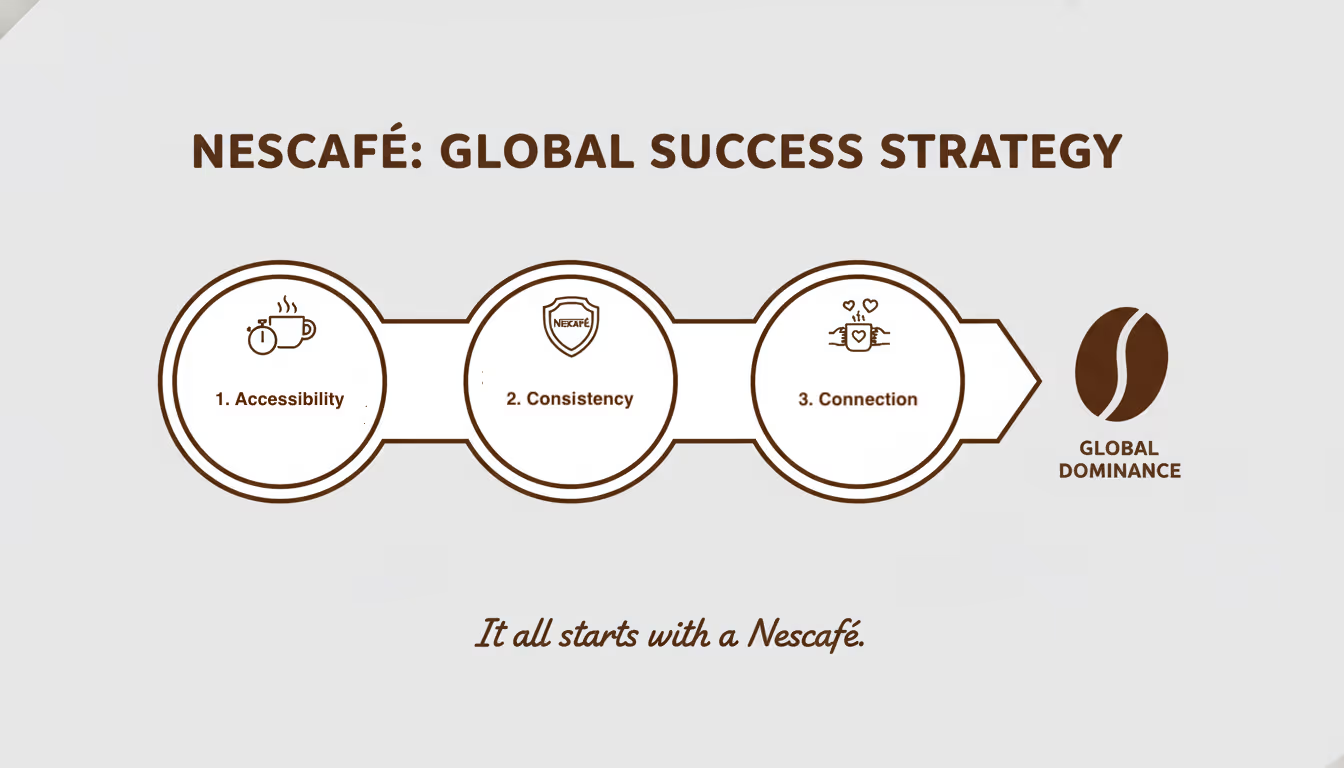
Nescafé’s success isn’t about luck; it’s about smart strategy and deep cultural understanding. The brand mastered three key elements: consistency, convenience, and connection.
- First, it made coffee accessible. When Nescafé launched in 1938, it offered a quick, flavorful solution at a time when fresh coffee wasn’t always easy to prepare. This convenience became its core value.
- Next, it stayed consistent. For decades, Nescafé’s red logo, warm tone, and comforting aroma built trust and familiarity. Even as coffee trends shifted, the brand never lost its identity.
- Finally, connection. Nescafé’s campaigns, from “It all starts with a Nescafé” to emotional stories about friendship and morning routines, positioned it as more than a beverage. It became a moment shared worldwide.
These three factors, accessibility, brand trust, and emotional storytelling, form the true secret behind Nescafé’s global dominance.
💡 Starting your own brand? Private-label coffee entrepreneurs can follow a similar playbook, combining authentic storytelling with consistency and accessibility to create emotional connections that last.
Nescafé’s Journey: From 1938 to Today
Nescafé’s story began when Nestlé chemists were asked to create a coffee blend that was easy to make yet preserved flavor. The result was instant coffee, and it changed everything.
In 1938, Nescafé was launched in Switzerland, quickly becoming popular during World War II when soldiers needed an easy caffeine fix. The brand became a morale booster, a “taste of home” in challenging times.
By the 1950s and 60s, Nescafé was expanding globally, aligning with the rise of TV advertising, holiday coffee promotions, and modern lifestyles. In the 1980s, campaigns began targeting younger audiences, turning coffee from a “morning must” into a social experience.
Today, Nescafé operates in over 180 countries and sells more than 5,500 cups every second. From traditional jars to ready-to-drink cans, it continues adapting to consumer needs while preserving its legacy.
Nescafé’s marketing strategy combines global consistency with local relevance, a balance that few brands achieve.
Here’s what drives its success:
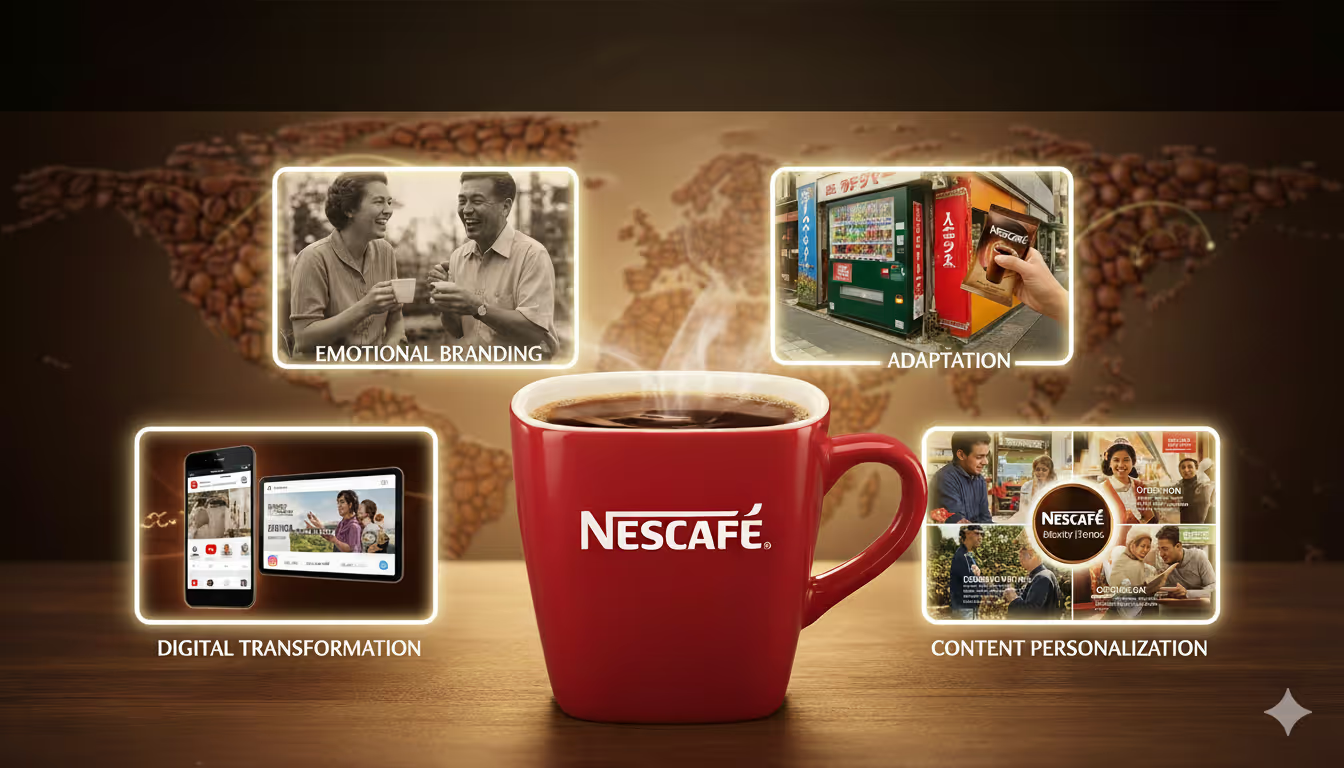
- Emotional Branding: Every campaign connects coffee with comfort, relationships, and life’s small moments.
- Adaptation: In Japan, Nescafé vending machines dominate; in India, sachets make it affordable for everyone.
- Digital Transformation: With over 40 million followers, Nescafé promotes coffee on Instagram, YouTube, and TikTok to reach Gen Z through storytelling and influencer collaborations.
- Content Personalization: The brand tailors its messaging, from sustainability stories to relatable lifestyle tips, depending on the local culture.
KEY TAKEAWAY: People don’t fall in love with features; they connect with feelings. That’s why Nescafé’s ads focus on togetherness, not taste notes.
The Role of Innovation
Nescafé has stayed relevant because it never stopped innovating.
It’s not just about flavor anymore; it’s about experience. The brand invests heavily in research to improve taste, sustainability, and packaging.
Some notable innovations include:
- Nescafé Gold: Premium blends targeting modern coffee lovers.
- Nescafé Dolce Gusto: Smart coffee machines that bridge home brewing and café culture.
- Ready-to-Drink Coffees: Catering to on-the-go consumers.
- Eco-friendly packaging & sustainable sourcing: Aligned with global environmental goals.
Every product evolution ensures Nescafé remains modern while keeping its original promise: good coffee made simple.
FACT: Nescafé’s research and development centers employ over 300 coffee experts worldwide, constantly improving aroma, flavor, and sustainability.
Global vs. Local: The Balancing Act
One of Nescafé’s smartest moves has been mastering “glocalization,” staying global but acting local.
Here’s how it works:
- In India, it focuses on affordability with small sachets.
- In Japan, it markets smart vending machines and cold brew.
- In Europe, it leans into sustainability and premium blends.
- In Africa, it supports local coffee farmers through Nescafé Plan programs.
Despite regional tweaks, Nescafé’s message stays consistent: “comfort, connection, and community.” This balance has helped it dominate diverse markets without losing brand identity.
Comparing Nescafé’s Global vs. Local Strategies
This blend of consistency in closely monitoring coffee trends as well as flexibility ensures Nescafé feels personal to every market, which is a key reason for its ongoing success.
The Digital Revolution: Reaching a New Generation
Nescafé is one of the few heritage brands that successfully captured Gen Z’s attention.

Its social media strategy focuses on relatability and conversation, not just ads. Instead of pushing products, Nescafé creates moments:
- TikTok challenges featuring morning routines
- YouTube collaborations with lifestyle creators
- Hashtag campaigns like #GoodMorningWorld that invite user participation
The brand also uses AI-driven insights to personalize content and track consumer sentiment in real-time.
TIP: Gen Z doesn’t want ads; they want involvement. Nescafé’s TikTok challenges and hashtag campaigns show how interaction creates brand loyalty.
Lessons for Marketers and E-Commerce Brands
There’s a lot marketers can learn from Nescafé’s success. Here are some key takeaways:
- Sell experiences, not just products. Focus on emotions that connect your brand to daily life.
- Stay consistent but adaptable. Keep your brand core intact while adjusting your message for different audiences.
- Evolve with your consumers. From print ads to TikTok, follow where your audience goes.
- Leverage nostalgia. Familiarity builds trust, something Nescafé has mastered over decades.
- Integrate sustainability. Consumers today value ethics as much as convenience.
For e-commerce brands, this means finding your version of “the red mug moment,” something instantly recognizable and emotionally charged.
Brew Your Own Success Story!
Nescafé’s story reminds us that great brands aren’t just about what they sell; they’re about how they make people feel. From turning a coffee surplus into something the world now shares every morning, Nescafé shows what happens when innovation meets genuine understanding of what people want.
For today’s entrepreneurs in the supplement and wellness space, the message is simple: build trust, stay flexible, and keep refining your blend.
If you’ve got an idea that deserves a place on someone’s shelf (and in their routine), Supliful can help bring it to life, so feel free to reach out.
FAQ

Related blogs
.avif)
Influencer Marketing ROI Forecaster Calculator: Know Your True ROI Before Spending a Dollar on Influencers
.avif)
.avif)
.avif)