What Is L’Oréal’s Marketing Strategy Behind the World’s Leading Beauty Brand
When you think of global beauty brands, L’Oréal is almost impossible to ignore. With over a century of history and a presence in 150+ countries, it’s not just selling lipstick or shampoo; it’s selling confidence, identity, and self-expression.
But how did L’Oréal grow from a small French hair dye company into the world’s largest cosmetics empire? The secret lies in a marketing strategy that’s equal parts science, storytelling, and sensitivity to culture.
In this blog, we’ll explore what exactly L’Oréal’s marketing strategy is, discover what makes it so powerful, and highlight lessons brands can use to build their own version of success.
The Secret Formula Behind L’Oréal’s Marketing Success
L’Oréal’s beauty marketing strategy revolves around one clear principle: “Universalization.” This means creating global products that are locally relevant.
Rather than pushing one-size-fits-all campaigns, L’Oréal embraces cultural differences while maintaining a consistent global identity. It’s a balance between science and soul, driven by innovation, inclusivity, and purpose.
KEY TAKEAWAY: L’Oréal doesn’t just sell beauty; it sells empowerment, helping every individual feel “worth it,” regardless of who they are or where they live.
If you are starting your own business in this branch and aspire to reach the heights of L’Oréal, make sure to consider private-label skincare dropshipping. This approach provides an easy way to launch purpose-driven skincare lines without inventory headaches, focusing all your strength on the actual development of your product.
Inside L’Oréal’s Global Empire
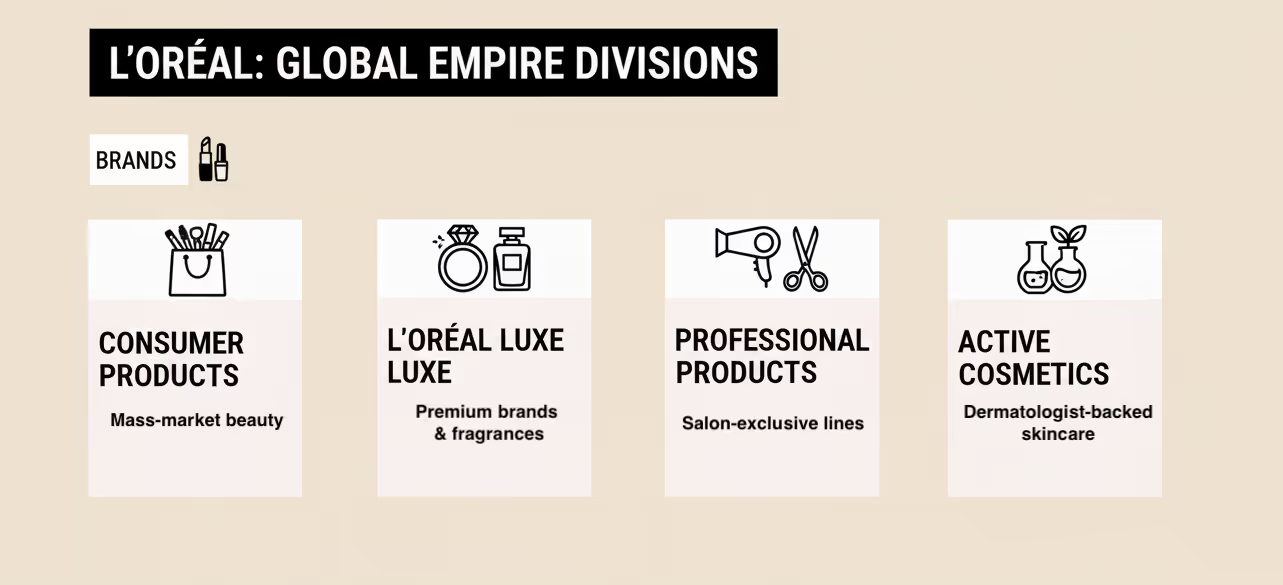
Before we get into more details, it’s worth seeing the scale L’Oréal operates at.
The company owns more than 35 brands, spanning skincare, haircare, makeup, and fragrances. From Maybelline and L’Oréal Paris to Lancôme and La Roche-Posay, every product serves a distinct market need.
Its business is divided into four main divisions:
- Consumer Products – mass-market beauty
- L’Oréal Luxe – premium brands and fragrances
- Professional Products – salon-exclusive lines
- Active Cosmetics – dermatologist-backed skincare
FACT: L’Oréal invests about 30% of its media budget into digital and influencer marketing, reflecting a strong shift toward online engagement. If you’re inspired to build your own brand in this space, you can sell your own skincare products and reach audiences hungry for quality, niche offerings.
Want to hear more success stories from skincare industry giants? Take a look at these articles!
- The Secret Behind Estée Lauder’s Success
- How Did Maybelline Become Successful
- The Secret Behind Rare Beauty’s Success
Target Market & Audience Segmentation
L’Oréal doesn’t cater to one kind of customer. It caters to everyone.
From budget-conscious teens buying Garnier shampoos to luxury shoppers investing in YSL lipsticks, its segmentation spans income levels, age groups, and lifestyles.
Inclusivity drives every beauty marketing move. Campaigns celebrate diversity in ethnicity, gender, and beauty ideals while ensuring that every consumer feels represented.
KEY TAKEAWAY: Segmentation isn’t just about demographics. It’s about emotion, understanding what people feel when they interact with your brand.
L’Oréal’s Marketing Mix (The 4Ps)
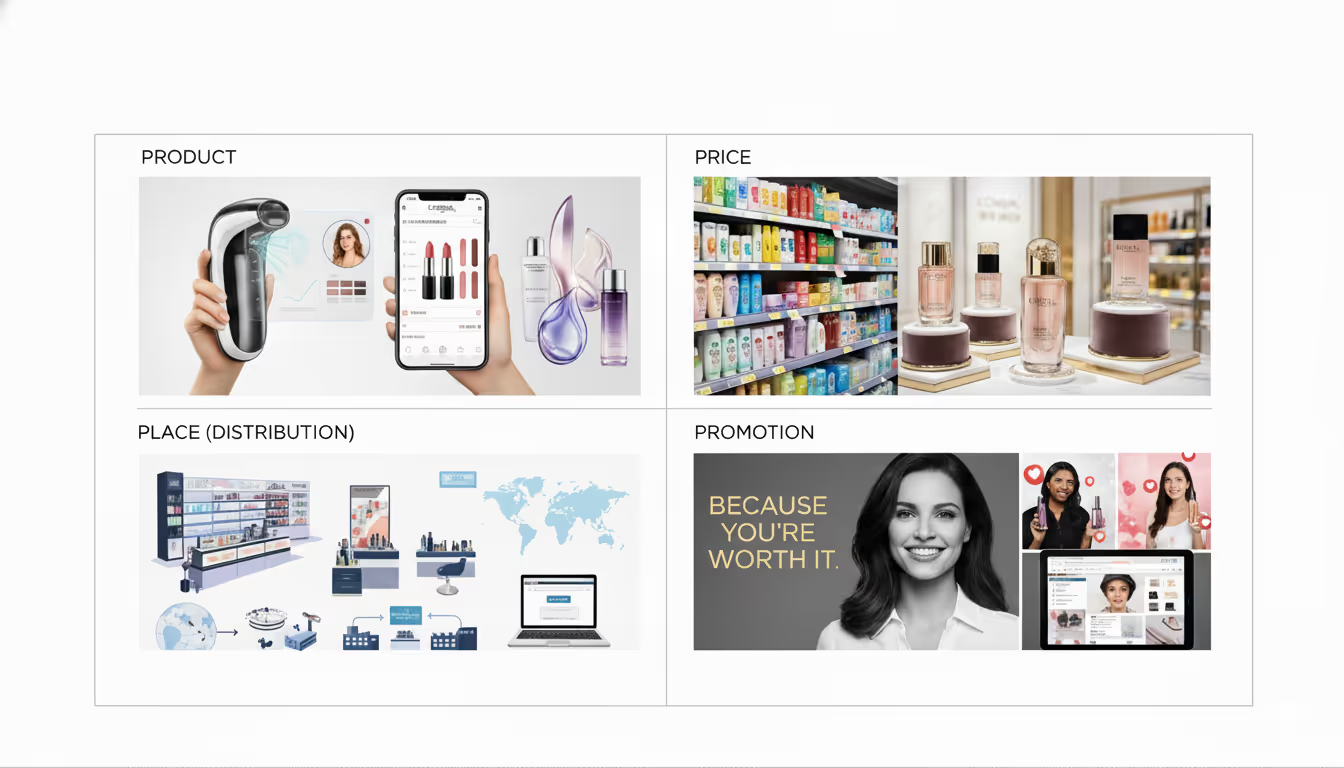
Let’s look at L’Oréal’s marketing mix:
Product
Innovation fuels everything. L’Oréal continuously launches new products based on research and consumer insights. They stay up to date with trends, tailoring their skincare marketing to the Gen Z population.
Think of AI-powered skincare tools, AR virtual try-ons, and tailored product formulas.
Price
The brand uses a multi-tier pricing strategy, offering affordable items in the mass segment and premium products in its luxury division. This ensures accessibility without losing prestige.
Place (Distribution)
L’Oréal’s products are available everywhere: retail stores, salons, pharmacies, and online platforms. Local production units also ensure faster, cost-efficient supply.
Promotion
The promotional strategy combines emotional storytelling (“Because You’re Worth It”) with digital campaigns, influencer partnerships, and educational content.
FACT: L’Oréal was one of the first beauty brands to use AR filters on social media for product demos years before it became a standard of the competitive skincare industry.
Quick Breakdown of L’Oréal’s 4 Divisions & Marketing Focus
Each of L’Oréal’s four divisions plays a unique role in its global success. Here’s how they differ and contribute to the brand’s overall marketing approach.
FACT: Each division speaks to its audience differently, but they’re united by one core message: beauty, innovation, and self-worth.
Digital & Content Marketing Strategy
L’Oréal’s digital dominance didn’t happen by chance. The brand turned beauty marketing into a dynamic online experience, where storytelling, technology, and education work hand in hand.
Let’s break down how L’Oréal wins across digital touchpoints.
Influencer Collaborations
L’Oréal’s influencer partnerships go beyond paid promotions. They build authentic community connections.
Here’s how they do it:
- Diverse representation: Collaborates with influencers from every background, reflecting true global beauty.
- Tiered approach: Mixes celebrity ambassadors (like Kendall Jenner) with relatable micro-influencers.
- Emotional storytelling: Encourages creators to share personal journeys rather than scripted product pitches.
- Platform-native content: Adapts formats for marketing skincare on Instagram, TikTok, and YouTube instead of reusing the same material.
FACT: The #WorthIt campaign saw over 1 billion views worldwide, proving that genuine storytelling beats traditional ads.
AR & Virtual Try-Ons
With ModiFace, L’Oréal revolutionized how beauty products are sold online by merging tech with trust.
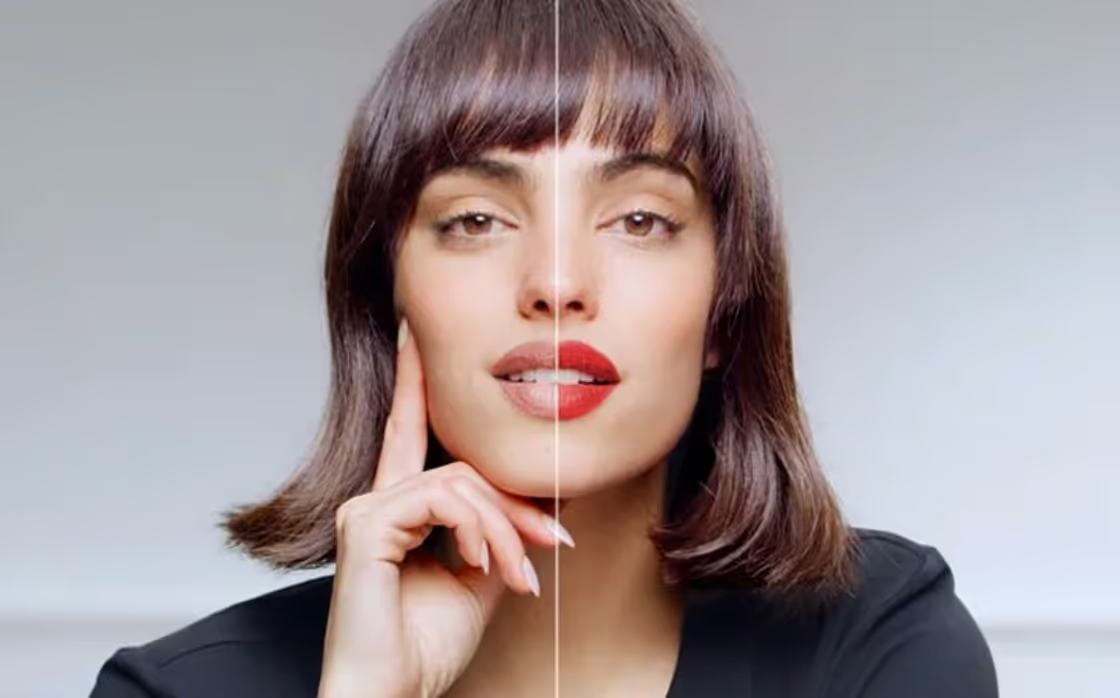
Here’s how AR boosts conversions:
- Virtual try-ons: Users can test lipsticks, hair dyes, and foundations in real time through mobile apps.
- Personalized experiences: AI-driven tools recommend shades and formulas based on individual features.
- Reduced purchase anxiety: Customers see how products look before buying, increasing confidence.
- Data insights: Each virtual interaction provides valuable data on preferences and trends.
KEY TAKEAWAY: Beauty meets tech when customers can see before they believe. It builds confidence, convenience, and credibility all at once.
Educational & Interactive Content
Instead of hard-selling, L’Oréal teaches, inspires, and empowers. The focus? Educate first, convert naturally.
Here’s how it does that:
- Tutorials and how-tos: Bite-sized videos show how to use products effectively.
- Expert content: Dermatologists and stylists share insights to build authority.
- Interactive quizzes: Personalized skincare and makeup routines keep users engaged.
- Behind-the-scenes stories: Scientific innovation becomes part of the brand narrative.
TIP: Give your audience something valuable: knowledge. When they learn from you, they’re far more likely to buy from you.
Sustainability and Social Responsibility in Marketing
L’Oréal’s “For the Future” program proves that beauty and responsibility can coexist. The brand commits to:
- Eco-friendly packaging and water-saving formulas.
- Carbon neutrality goals for manufacturing sites.
- Diversity and gender equality in hiring and campaigns.
Marketing sustainability isn’t just a trend for L’Oréal. It’s a core brand message that attracts conscious consumers.
KEY TAKEAWAY: People today buy into values, not just products. Make your mission part of your marketing story.
Global vs Local Marketing Execution
What works in Paris might not work in Tokyo, and L’Oréal knows that.
Each region gets its own tailored strategy. In Asia, the focus is on skincare rituals; in Latin America, haircare takes center stage. Influencers, product shades, and campaign visuals all shift to match local preferences.
PRO TIP: Small e-commerce brands can use the same approach. Tailor product visuals, tone, and promotions for each target region or audience group.
Lessons Brands Can Steal from L’Oréal
Here’s what you can apply from L’Oréal’s marketing playbook:
- Think global, act local. Adapt your content and visuals for your target markets.
- Segment your audience. Speak differently to each customer tier.
- Mix data with emotion. Use analytics but keep the human touch.
- Leverage influencers. Authentic voices build credibility.
- Be purpose-driven. Values build loyal skincare customers.
- Stay consistent across channels. Align your story everywhere.
- Innovate constantly. Keep evolving just like L’Oréal does.
Build Your Brand Like L’Oréal
L’Oréal’s marketing strategy proves one timeless truth: success comes from balancing innovation, inclusivity, and authenticity.
It’s not about having the biggest budget. It’s about understanding your audience, adapting to their needs, and staying consistent with your message.
So, the next time you’re building your beauty or wellness brand, take inspiration from L’Oréal’s playbook and let Supliful help you bring it to life, one perfectly packaged product at a time.
FAQ

Related blogs
.avif)
Influencer Marketing ROI Forecaster Calculator: Know Your True ROI Before Spending a Dollar on Influencers
.avif)
.avif)
.avif)