Dynamic Pricing Calculator: Optimize Margins and Sell Smarter With Every Click

Pricing your products correctly can make or break your dropshipping business. Set prices too high, and you'll lose customers to competitors.
Price too low and you'll sacrifice the profit margins needed for growth. That's where our dynamic pricing calculator comes in, a free tool that helps you find the optimal price point between profitability and market competitiveness.
This calculator takes the guesswork out of pricing by considering your product costs, market positioning, customer behavior, and profit goals to deliver data-driven recommendations for your business.
Understanding Dynamic Pricing and Why It Matters
Dynamic pricing isn't just about slapping a number on your product and hoping for the best. It's a strategic approach that considers multiple variables to determine the optimal price point for your specific market conditions.
Unlike static pricing, which remains fixed regardless of market changes, dynamic pricing adapts to factors like customer demand, competitor pricing, and your business objectives.
Pricing strategy directly impacts several key metrics:
- Conversion rates: The percentage of visitors who actually purchase your products
- Profit margins: How much money you keep after covering product costs and expenses
- Customer perception: Whether buyers view your brand as premium, value-oriented, or mid-market
- Competitive positioning: How your prices compare to similar products in your niche
This tool helps you balance these considerations by processing your input data and applying proven pricing formulas.
Instead of spending hours researching competitor prices and running manual calculations, you can generate informed pricing recommendations in seconds.
How to Use the Dynamic Pricing Calculator Effectively
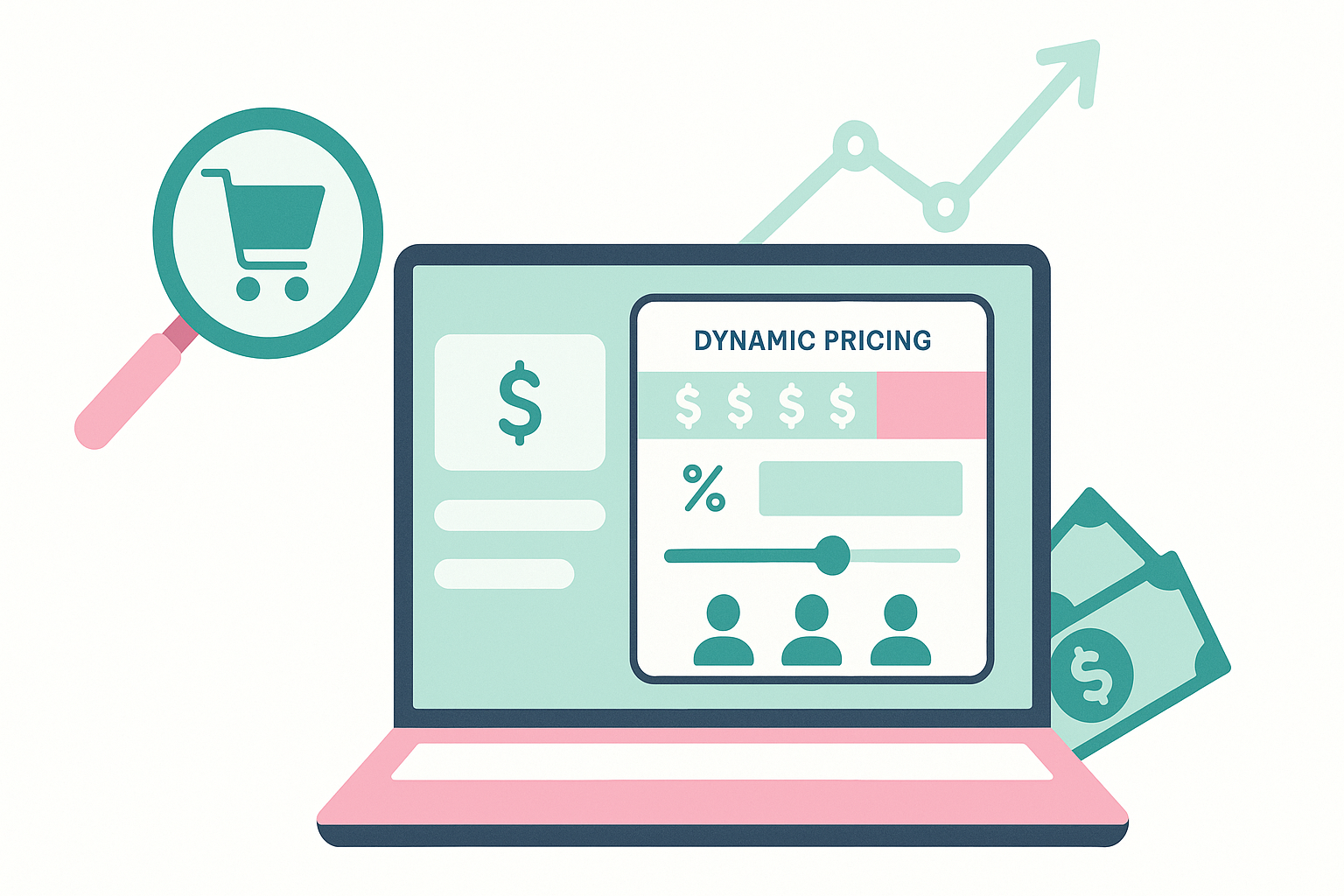
Getting accurate results from the calculator requires understanding each input field and how it affects your final pricing recommendation. Let's break down the essential components:
Product Cost
This is your base cost per unit, including everything from manufacturing and packaging to fulfillment fees.
For example, if you're using Supliful's fulfillment services, include the product cost plus any per-order fulfillment charges.
Being precise here is crucial because underestimating product costs leads to pricing that doesn't support profitability.
Minimum Acceptable Price
Your floor price represents the lowest amount you're willing to accept while still maintaining viable margins. This typically includes your costs plus a minimum profit threshold.
Consider factors like payment processing fees (usually 2-3% of transaction value), platform fees if selling through marketplaces, marketing and customer acquisition costs, and a minimum profit margin to make the business worthwhile.
Maximum Strategic Price
The ceiling price is the highest point before customers perceive your product as too expensive. Research competitor pricing and consider your brand positioning. Premium brands can command higher prices, while value-focused businesses need tighter ranges.
Conversion Rate
Enter your expected or actual purchase rate for conversion tracking. If you're running a Shopify store, check your analytics for conversion data. New stores might estimate 2-4% for supplements or 1-3% for skincare based on industry benchmarks.
Price Sensitivity
The price sensitivity slider measures how strongly customers react to price changes. Highly sensitive markets (like basic supplements) see significant drops in sales with small price increases.
Less sensitive niches (premium skincare, specialized formulations) can maintain sales despite higher prices. Consider your market research and product differentiation when adjusting this setting.
Customer Segment
Select between three primary customer types based on your target audience:
- Premium Buyers: Customers willing to pay more for superior quality, clean ingredients, or strong branding
- Value-Conscious Shoppers: Price-sensitive buyers who compare options and seek the best deal
- Subscription/Repeat Buyers: Loyal customers who value consistency and convenience over pricing fluctuations
Interpreting Your Pricing Results
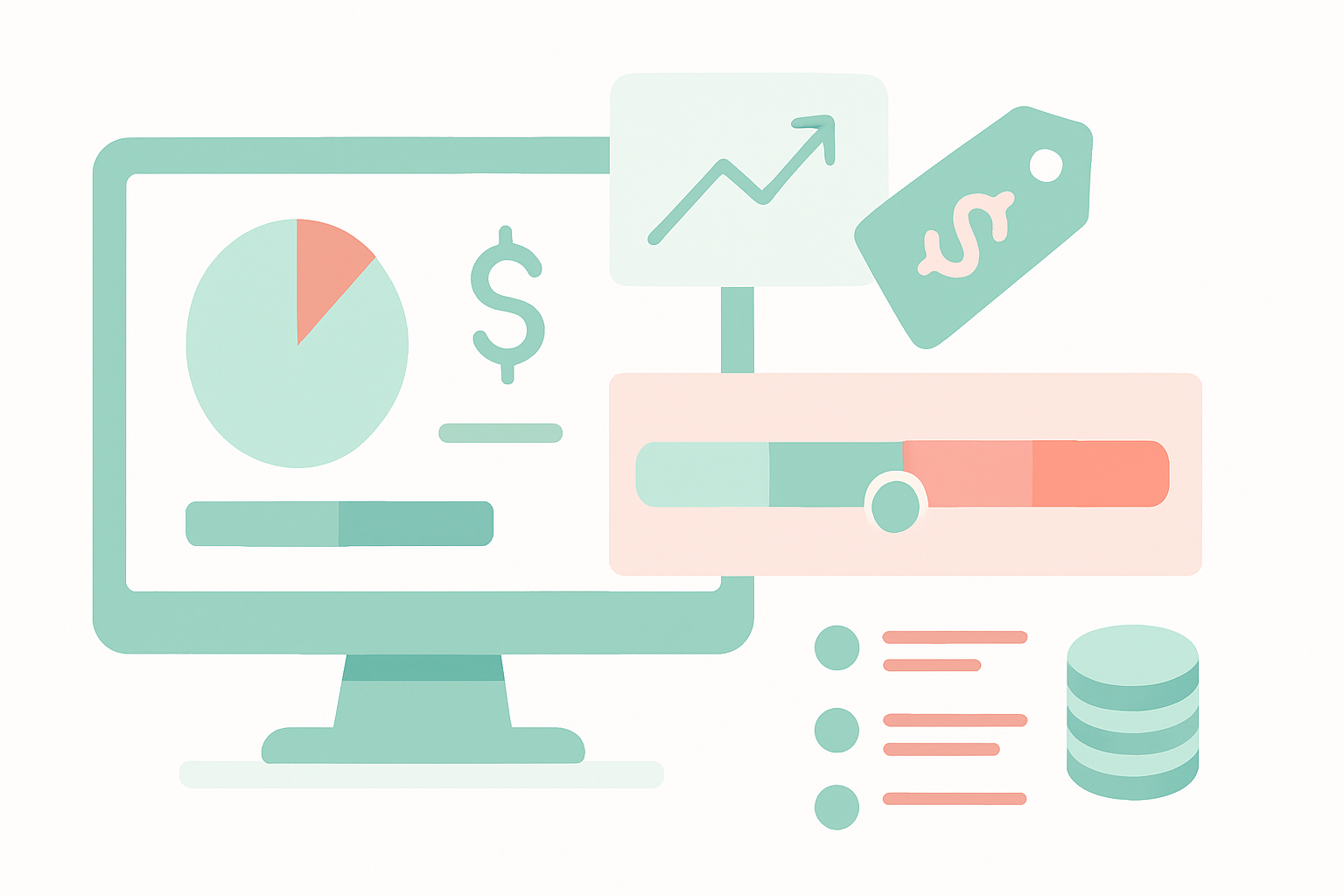
Once you click "Calculate Optimal Pricing," the calculator generates several key outputs that inform your pricing strategy:
The Optimal Price represents the mathematically ideal price point based on your inputs. This balances your profit goals with market realities and customer behavior patterns. However, don't treat this as the final word; use it as a starting point for testing.
Profit Per Unit and Profit Margin show your earnings potential. Healthy margins for dropshipping businesses typically range from 40-70%. Lower margins might work with high volume, while premium products can sustain margins above 70%.
The Segment-Adjusted Price modifies your optimal price based on your target customer segment. Premium positioning adds 10-25% to account for brand value and quality perception, while value-conscious targeting reduces prices by 5-15% to remain competitive.
Your Strategic Price Range provides three critical benchmarks:
- Safe Minimum: The lowest viable price that protects your margins and covers all costs
- Ideal Target: Your recommended selling price for optimal profit and market positioning
- Upper Opportunity: The maximum price you could test with premium positioning or limited-time offers
The Pricing Strategy Notes offer context-specific recommendations based on your inputs. These insights help you understand the implications of your pricing decisions and suggest strategic adjustments.
Optimizing Pricing Based on Your Sales Channel
Your chosen sales platform significantly impacts pricing strategy. Different marketplaces come with varying fee structures, audience expectations, and competitive dynamics that directly affect your optimal price point.
Direct-to-Consumer Through Shopify
Shopify Store Pricing offers the most flexibility for direct-to-consumer brands. Without marketplace fees eating into your margins, you have room to:
- Test aggressive pricing strategies and discount campaigns
- Implement dynamic pricing based on inventory levels or seasons
- Adjust prices quickly based on real-time conversion data
- Offer exclusive bundles and promotional pricing
Establish baseline prices with the calculator, then use Shopify's built-in analytics to track performance. A/B test different price points with small audience segments before rolling out changes store-wide.
Social Commerce on TikTok Shop

TikTok Shop Pricing requires a different approach. The platform's social commerce nature means customers easily compare options while scrolling, making competitive pricing essential.
Factor in TikTok's commission structure when setting your minimum acceptable price, typically 2-8% depending on product category.
The calculator's value-conscious segment setting helps you position products competitively while maintaining profitability, especially important when working with influencer partnerships that expect accessible pricing.
Marketplace Pricing on Amazon
Amazon FBA Pricing demands the most careful calculation. Input fulfillment fees, storage costs, referral fees (usually 15%), and any additional charges into your product cost field for accurate margins.
Selling on Amazon means competing in an environment where customers sort by price, so value pricing often wins unless you have strong brand differentiation through reviews and enhanced content.
Testing and Refining Your Pricing Strategy

The calculator provides initial recommendations, but successful pricing requires ongoing optimization:
Monitor Key Performance Metrics
Start with the suggested optimal price and monitor key metrics for 2-4 weeks. Track conversion rates, average order value, and customer feedback.
Run Controlled Price Tests
Run small price tests by adjusting 5-10% in either direction. Even minor changes can impact revenue and profit margins. For subscription products, test different pricing tiers and discount structures.
Apply Psychological Pricing Tactics
Consider psychological pricing tactics like ending prices in .97 or .99. Monitor competitor pricing regularly and adjust your inputs accordingly; markets shift constantly, requiring quarterly refinement.
Common Pricing Mistakes to Avoid
Even with a calculator, entrepreneurs frequently make critical pricing errors that undermine profitability. Here are the most common mistakes to watch for:
Mistake #1: Underpricing to Gain Market Share
Underpricing to gain market share might seem like a smart growth strategy, but it creates long-term problems. When you start too low, customers anchor to those prices and resist increases.
Building your brand on discount pricing makes it nearly impossible to improve margins later without losing your customer base. Use the calculator's minimum price feature to ensure every sale contributes to sustainable growth.
Mistake #2: Ignoring Your Total Cost Structure
Ignoring total costs leads to false profit projections that can sink your business. Too many entrepreneurs only account for product costs and miss the hidden expenses.
Your true cost per sale includes product costs from manufacturing or suppliers, shipping and fulfillment fees, payment processing (typically 2.9% + $0.30 per transaction), marketing spend and customer acquisition costs, platform fees (Shopify, TikTok, Amazon), customer service and returns handling, plus packaging and label printing.
Mistake #3: Blindly Copying Competitor Prices
Copying competitor prices without understanding their business model creates dangerous assumptions. Your competitor might have negotiated better supplier rates, achieved higher order volumes for discounts, or accepted lower margins as an established brand.
Instead of blindly matching their prices, use the calculator to determine YOUR optimal price based on YOUR specific costs and goals.
Mistake #4: The "Set It and Forget It" Approach
Setting prices and forgetting them means missing opportunities and market shifts. Costs change, competitors adjust, and customer expectations evolve. Revisit the calculator quarterly or whenever major cost changes occur to keep pricing aligned with current market conditions.
Unlock Consistent Growth by Refining Your Pricing Over Time
By revisiting your numbers regularly, you can adapt to shifting costs, customer behavior, and competitive pressure with confidence. Test new price points, monitor results, and refine your approach as your brand evolves.
Small adjustments made consistently lead to healthier margins, stronger conversions, and a more resilient business. The more intentional you become with pricing, the faster and more sustainably you grow.
.avif)


