Where Is The Best Place To Advertise Supplements
.avif)
The global supplement market is projected to hit $400 billion by 2034, and with so many brands competing for attention, cutting through the noise online is no easy task.
If you’re wondering where the best place to advertise supplements is, you’re not alone. Choosing the right platforms can make the difference between struggling for visibility and seeing your sales soar.
In this article, we’ll break down where the best place to advertise supplements is, explain why they work, and show you how to choose the best fit for your supplement brand. By the end, you’ll have a clear roadmap to reach your target audience and grow your business.
Best Place To Advertise Supplements for Maximum Reach and Sales

Here’s the truth: there isn’t a single “best” platform for private label supplements brands or any other brands involving supplements.
This is because the right choice depends on your audience, goals, and comfort with compliance rules.
Supplement ads face stricter restrictions than most industries, and competition is fierce, so picking the right channels is crucial.
Below, we break down the top platforms that consistently deliver results.
Facebook & Instagram Ads
Meta’s platforms are perfect for visual storytelling. Ads can appear in feeds, stories, or reels, allowing you to showcase lifestyle, routines, or transformation stories connected to your supplements.
Why it works:
- Massive audience reach: Advertising supplements on Facebook and Instagram combined gives you a pool of 3 billion active users. With this in mind, you might want to learn how to share a full reel on Instagram that’s useful and captures the attention of your audience.
- Advanced targeting: Reach specific audiences such as fitness enthusiasts, wellness communities, or people following nutrition pages.
- Retargeting potential: Bring back visitors who checked your website or abandoned carts.
Challenges:
- Strict ad review policies for supplements often reject claims that seem medical.
- Creative fatigue can occur if visuals are repetitive.
TikTok Ads
TikTok thrives on short, engaging videos. Unlike search ads, it’s more about awareness and storytelling than immediate conversions, but it’s highly effective for supplement brands targeting younger audiences.

Why it works:
- Viral potential: A single creative video can reach millions organically.
- Engagement: Users interact with videos, comment, and share, increasing brand awareness.
- Educational content: Quick “how-to” or “supplement tip” videos are highly shareable.
Challenges:
- Conversions can be harder to track directly; it’s better for building brand recognition.
- Trends change rapidly; therefore, content needs to be updated frequently.
FACT: A supplement brand posting a 15-second tip on boosting morning energy can gain thousands of views in a day if formatted for trends and hashtags.
Amazon Advertising
Amazon is where purchase-ready customers search for supplements directly. Sponsored ads can push your product to the top of search results, while product detail pages give buyers everything they need to decide.
Why it works:
- High buyer intent: Shoppers come with a purchase mindset.
- Built-in trust: Many consumers trust Amazon ratings and reviews.
- Various ad formats: Sponsored Products, Sponsored Brands, and Display Ads help increase visibility.
Challenges:
- A highly competitive marketplace can increase CPC and reduce margins.
- Listing optimization is critical. Poor images or unclear copy can hurt conversions.
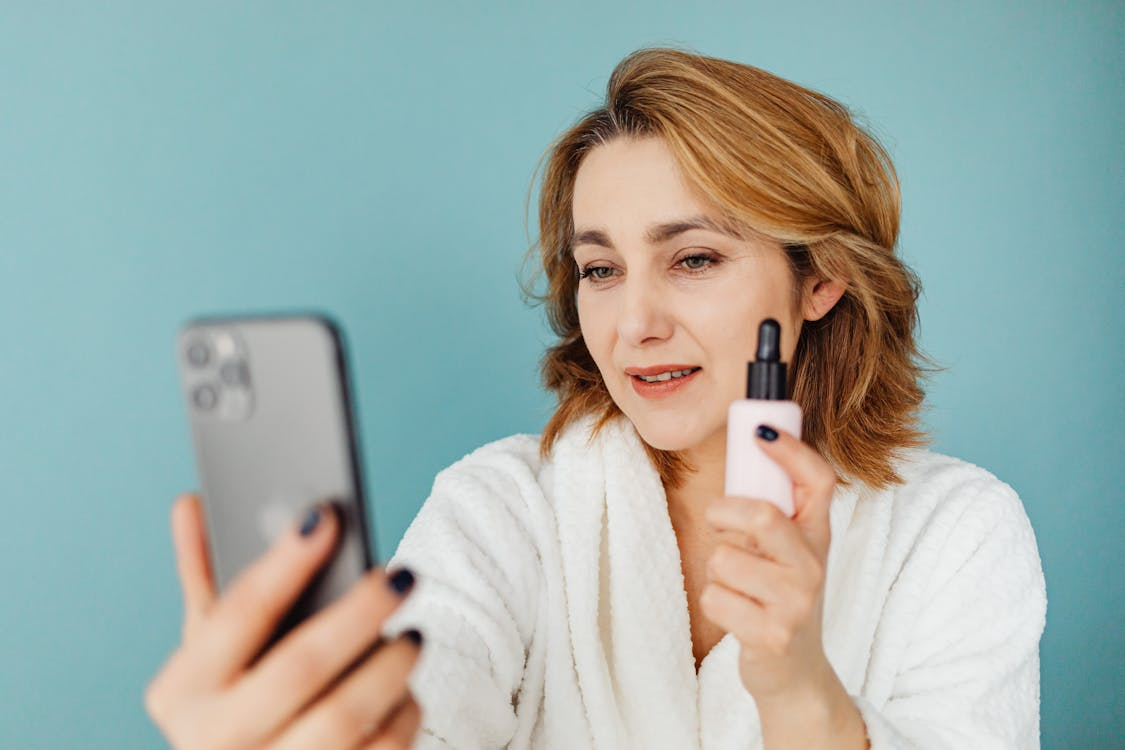
Influencer & Affiliate Marketing
Influencers and affiliates bring authenticity and social proof to supplement marketing. Their recommendations feel more trustworthy than a typical ad.
Why it works:
- Trust factor: Followers often take Instagram influencer advice seriously.
- Targeted audiences: Micro-influencers can reach niche communities effectively.
- Trackable results: Discount codes or affiliate links allow you to measure ROI.
Challenges:
- Finding the right influencer who aligns with your brand values can be tricky.
- Results take longer than with direct ads; it’s more of a mid- to long-term strategy.
SEO & Content Marketing
Organic content marketing builds long-term authority. By creating helpful content, your brand becomes a trusted resource, which helps both SEO and social proof.
Why it works:
- Sustained visibility: Blog posts, videos, and guides keep attracting traffic long after publication.
- Authority building: High-quality content positions your brand as an expert.
- Supports paid campaigns: Content can feed social media, email, and influencer strategies.
Challenges:
- Results take longer than paid ads; patience is required.
- Quality content creation requires time and research.
KEY TAKEAWAY: Repurpose content across platforms. For example, a blog on “5 Supplements to Boost Energy Naturally” can become Instagram posts, TikToks, or newsletter content.
How To Choose The Right Platform For Your Brand
Choosing the right advertising platform is about matching your goals, budget, and audience behavior. Not every channel works for every supplement, so careful evaluation is essential.
1. Audience demographics & behavior
- TikTok: Younger, trend-driven (18–35)
- Facebook/Instagram: Lifestyle-focused adults (25–45)
- Amazon: Purchase-ready buyers
2. Budget & ROI potential
- Google Ads & Amazon: Higher CPC, strong conversions
- TikTok & Facebook: Lower entry cost, great for testing
3. Compliance rules
- Avoid unverified health claims; stick to safe words like supports, promotes, and helps maintain.
4. Tracking & optimization
- Platforms with analytics and A/B testing help refine campaigns.
FACT: Data-driven ad optimization can improve ROI by 30–50%.
Platform Comparison Table for Advertising Supplements
| Platform | Audience Intent | Compliance Risk | Cost | Best For | Example Use Case |
|---|---|---|---|---|---|
| Google Ads | High | Medium | $$$ | Conversions | Targeting “best protein powder” searches |
| Facebook/Instagram | Medium | High | $$ | Awareness & Retargeting | Lifestyle ads showing a daily supplement routine |
| TikTok | Medium | Medium | $ | Brand Awareness | Short “morning energy hack” videos |
| Amazon | Very High | Medium | $$$ | Direct Sales | Sponsored Products for top-selling vitamins |
| Influencer Marketing | Medium | Low | $$ | Community Building | Micro-influencer reviews and routines |
| SEO & Content | Long-Term | Low | $ | Organic Growth | Blog: “Top 5 Supplements for Energy” |
KEY TAKEAWAY: Most successful supplement brands use a hybrid strategy: one paid channel for conversions and one organic channel for long-term visibility.
Checklist Before Launching Any Supplement Ad
- Verify ad copy compliance: Avoid medical claims; focus on lifestyle benefits.
- Optimize landing pages: Include ingredients, certifications, and reviews.
- Set up tracking: Meta Pixel, Google Analytics, and UTM links.
- Test creatives & messaging: A/B test images, headlines, and video lengths.
- Start small: Test $100–$200/week per platform, analyze results, and scale top performers.
- Monitor approvals: Maintain a list of safe words and approved creative formats.
- Pair with content: Paid campaigns perform better alongside blogs, TikToks, and Instagram posts.
PRO TIP: Keep a compliance cheat sheet for your team with words that pass reviews.
Ready To Launch Your Supplement Ads?
The best place to advertise supplements depends on who you’re targeting, your budget, and your comfort with ad policies. The right mix of channels ensures your brand reaches the right audience at the right time.
Start small, test frequently, and track results. Over time, you’ll discover which channels provide the highest ROI for your specific products.
Once you’ve figured out your ad strategy, Supliful can handle fulfillment, packaging, and shipping, letting you focus on marketing and growing your brand.
.avif)
.avif)
.avif)
.avif)